Sodziu: Heritage, Community, and Cultural Identity
Sodziu is more than just a word—it represents a profound cultural concept deeply rooted in heritage, community, and tradition. Originating from rural settlements, it embodies the essence of belonging, cooperation, and shared identity. Understanding it allows us to explore how communities have historically organized themselves, preserved traditions, and built connections that transcend time.
In this article, we take a comprehensive look at it, examining its origins, cultural significance, symbolism, modern applications, and global relevance. By the end, readers will understand why it remains a meaningful concept in today’s digital and globalized world.
Understanding the Meaning of Sodziu
Core Concepts
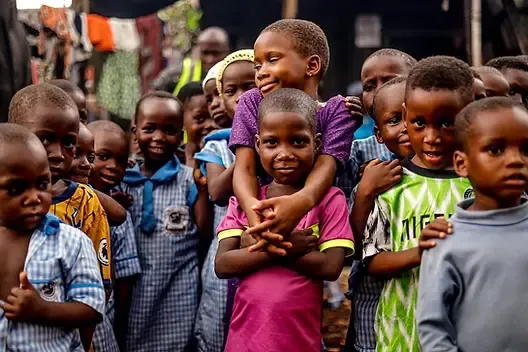
At its heart, it represents heritage, belonging, and community identity. It is more than a geographical term; it reflects shared values, traditions, and cultural narratives passed through generations.
Sodziu is often associated with:
- Unity and cooperation among community members.
- Cultural continuity, linking past generations to the present.
- Moral and social guidance is communicated through stories and rituals.
Linguistic Context
The word appears in idioms, folk tales, and poetry. Its meaning varies slightly across regions but consistently symbolizes community, belonging, and collective identity. In modern language, Sodziu has adapted to symbolic expressions used in conversations, literature, and digital platforms.
| Usage | Examples/Function |
| Idiomatic expressions | Reflect moral or social unity |
| Literature | Poems, folk tales emphasizing values |
| Modern conversation | Symbolic phrases in cultural discussions |
Historical Background of Sodziu
Early Origins
It began as a term describing rural clusters of families working the same land. These communities depended on cooperation for farming, food storage, and seasonal tasks. It was not just about location—it symbolized interdependence and shared responsibility.
Medieval Period
During the medieval era, Sodziu emphasized shared labor, local customs, and mutual support. Villages relied on one another for survival, cultivating a strong sense of communal identity.
19th Century and Beyond
By the 19th century, it became a marker of family identity and cultural survival. Communities celebrated festivals and rituals together, and oral traditions passed values from elders to younger generations.
Cultural Significance of Sodziu
Core Values
It represents resilience, cooperation, and harmony. It reflects how communities lived, worked, and celebrated together, forming the backbone of cultural identity.
Role in Community Life
Festivals, rituals, and storytelling were central to Sodziu. Through these practices, communities reinforced moral values, social cohesion, and collective memory.
Influence on Identity
It shapes both individual and collective identity, helping members of a community understand their roots, responsibilities, and cultural heritage.
Architecture and Daily Life
Village Layout
Traditional Sodziu settlements were designed for mutual support and communication. Homes were built close together, creating a network of shared spaces.
Household Routines
Daily life revolved around farming, caring for livestock, preparing food, and completing household chores. These routines fostered collaboration and interdependence.
Tools and Furnishings
Families used handmade furniture, tools, and storage solutions that reflected both functionality and cultural traditions.
Food, Cooking, and Traditional Ingredients
Core Diet and Ingredients
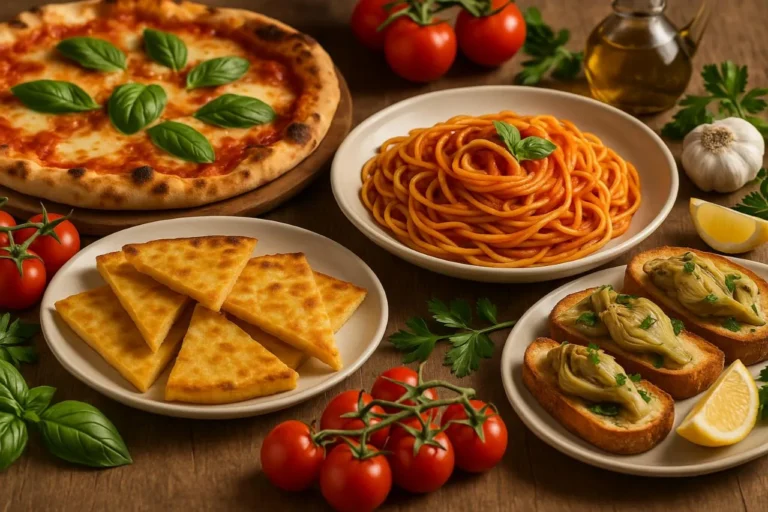
It communities relied on fresh, seasonal produce, grains, root vegetables, and preserved foods. Local ingredients shaped meals that were both nourishing and culturally significant.
Traditional Dishes
- Hearty stews: Slow-cooked vegetables and meat.
- Herbed fish: Fresh catches with dill, parsley, or garlic.
- Dumplings: Dough filled with meat or vegetables.
- Honey pastries: Sweet treats tied to harvest celebrations.
Food in Sodziu was more than sustenance—it strengthened family bonds, marked festivals, and preserved tradition.
Folklore, Arts, Literature, and Oral Traditions
Storytelling and Oral Tradition
Elders passed down tales blending nature, morality, and everyday life, ensuring that younger generations learned cultural values.
Arts and Crafts
- Embroidery, pottery, wood carvings, and textiles often included Sodziu motifs.
- Crafts reflected cultural identity and communal heritage.
Literature and Music
Folk songs, poems, and stories highlighted its themes of unity, respect, and harmony.
Rituals and Festivals
It communities celebrated seasonal events, such as harvests, births, and marriages, through communal gatherings.
- Food, music, and storytelling were central to festivals.
- Even small rituals, like sharing meals or songs, reinforced community bonds and gratitude.
Global Variations of Sodziu
| Region | Variation | Cultural Reflection |
| Lithuania | Sodziu | Village life and rural identity |
| Eastern Europe | Local equivalents | Shared work, family structure |
| Mediterranean | Sweet/festive versions | Food traditions tied to harvest |
| South America | Mixed forms | Local rituals, fruits, and community ties |
Despite variations, it consistently symbolizes unity, belonging, and shared heritage.
Modern Revival of Sodziu
It has experienced a cultural revival through:
- Workshops and craft preservation.
- Restoration of traditional homes.
- Eco-living practices mimicking old community routines.
Modern events also adapt Sodziu traditions for younger generations, keeping the concept relevant in contemporary society.
Sodziu in the Digital Age
- Social media and online platforms allow the sharing of stories, recipes, and traditions.
- Migrants use digital to stay connected to their heritage.
- The concept adapts seamlessly to modern communication and global networks.
Influence on Modern Society
It provides lessons for today’s communities:
- Encourages cooperation, respect, and shared responsibility.
- Inspires urban design: community spaces, gardens, and cultural events.
- Strengthens personal and collective identity.
Educational Importance
- Sodziu is a key component of cultural education.
- Taught through storytelling, folklore, and heritage programs.
- Helps younger generations understand their roots and traditions.
Global Relevance
Its core values—unity, belonging, and respect—are universally relevant.
- Accessible through literature, art, and digital media.
- Transcends cultural boundaries, offering lessons for communities worldwide.
The Future Vision
- It will continue to adapt to societal changes while preserving its cultural roots.
- Modern communication, education, and art ensure it remains a living concept.
- Its enduring values of connection, belonging, and heritage guarantee its relevance for generations to come.
Conclusion
It is far more than a word—it is a symbol of cultural identity, tradition, and community values. From its historical origins to modern digital expression, Sodziu continues to inspire, educate, and connect people across time and space.
By exploring it, we gain insight into how heritage, cooperation, and community shape societies. In a fast-changing world, it serves as a reminder that belonging and shared values remain timeless.